Glassboro Apartments
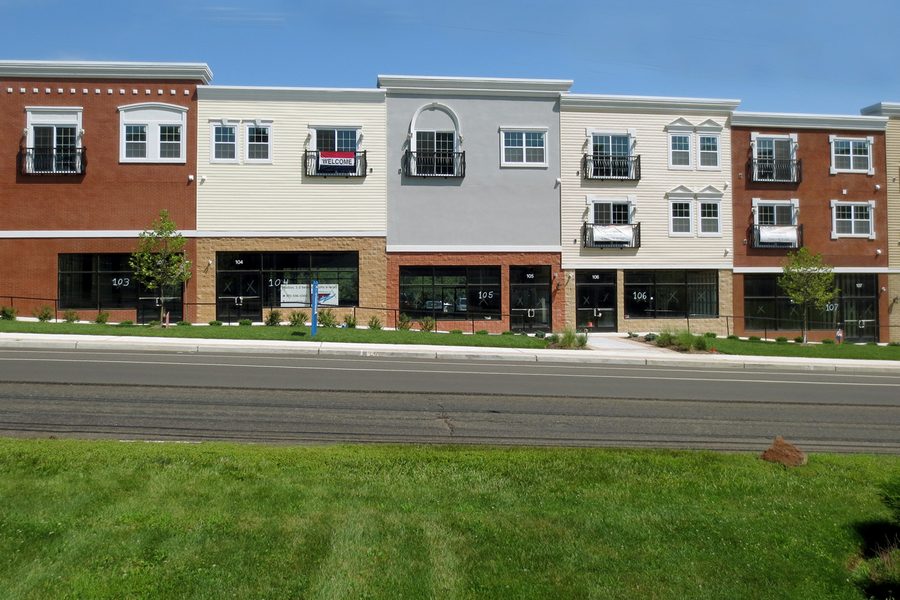
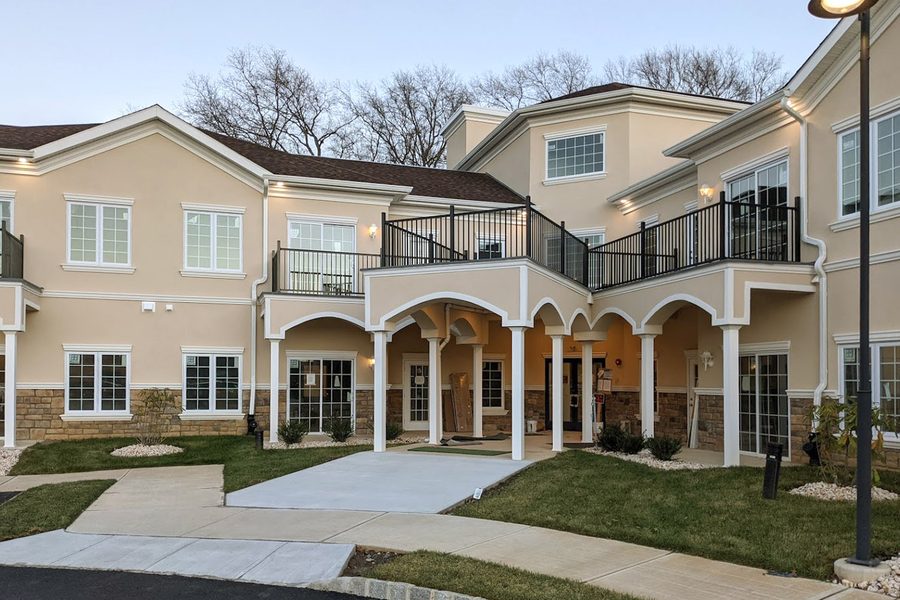
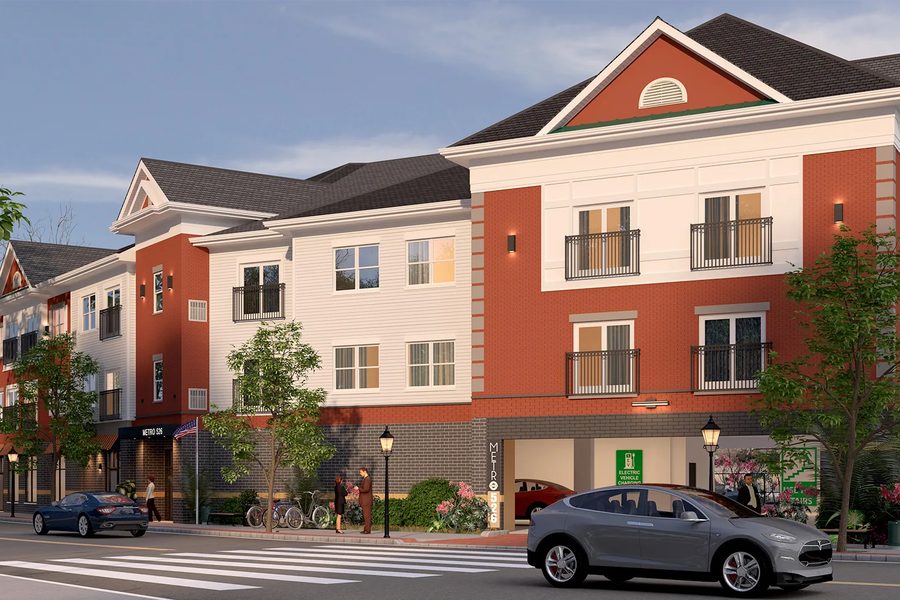
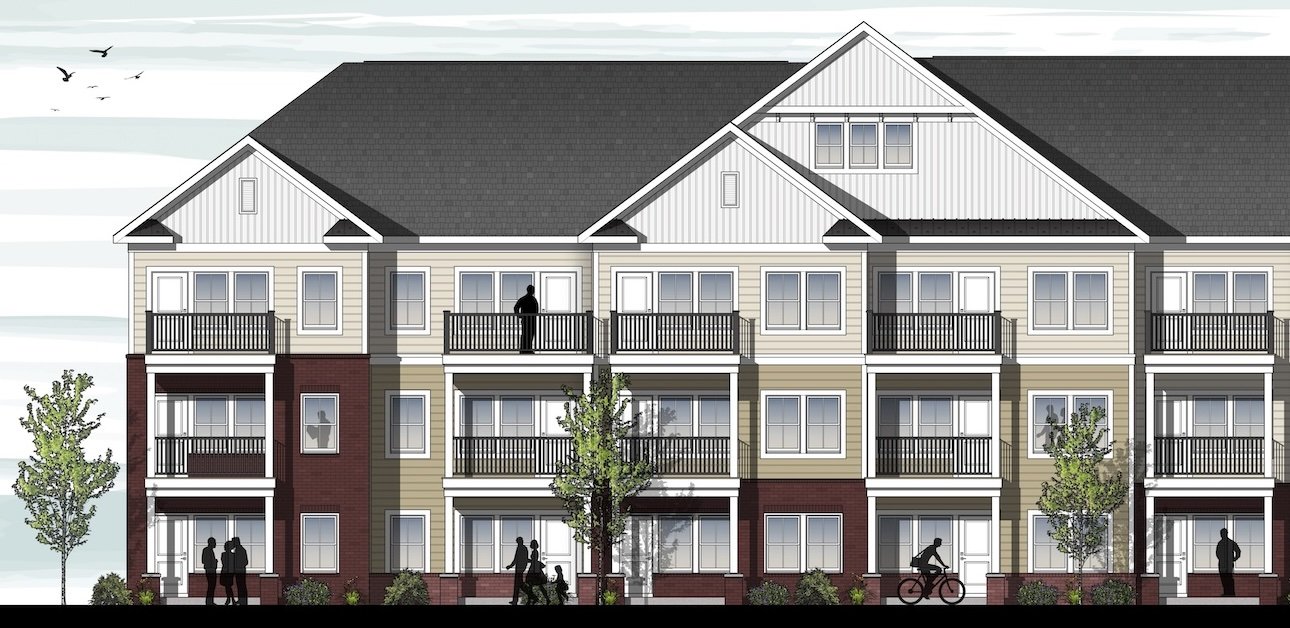
An 89-unit apartment community covering 68,480 square feet, planned for rental demand in a university- and commuter-influenced location.
Elevation drawing. Design representation only; final design may vary.

VisionStream is sponsoring a private EB-5 investment in an entitled, under-construction mixed-use development in South New Jersey, located in a Targeted Employment Area (TEA).


This opportunity is open to families seeking U.S. permanent residency, investors evaluating EB-5 pathways, and licensed migration agents seeking credible U.S. projects. Start with the section that fits you.
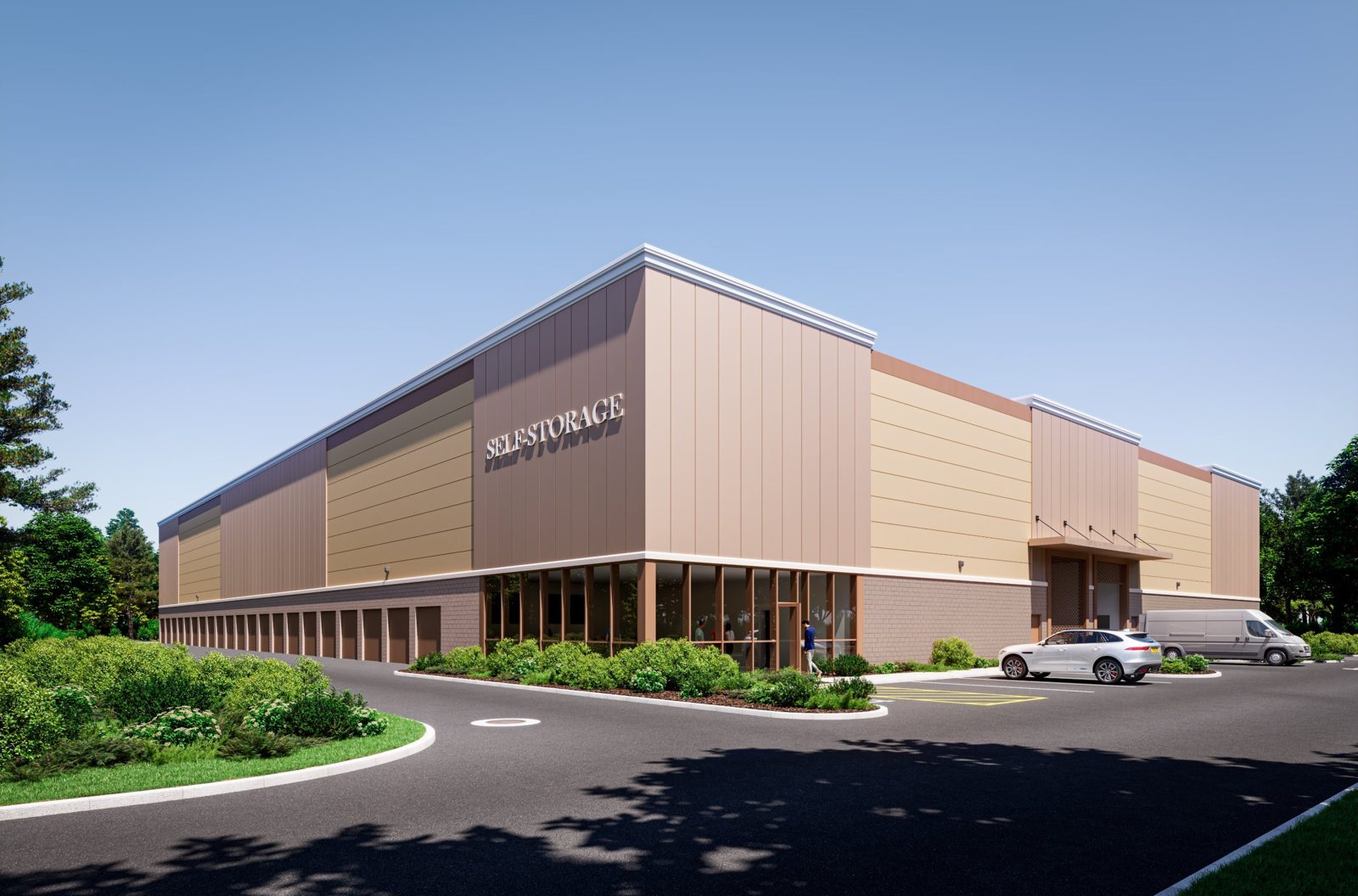
VisionStream Glassboro combines multifamily housing and institutional-grade self-storage in Southern New Jersey, with EB-5 capital intended for construction and development activities.
EB-5 lets an eligible investor pursue U.S. permanent residency by making a qualifying investment in a U.S. commercial enterprise that creates at least 10 full-time jobs for qualified U.S. workers. No employer or family sponsor is required.
$800,000 for TEA or infrastructure projects; $1,050,000 for non-TEA projects, under current USCIS rules.
At least 10 full-time jobs per investor. Regional center projects may count direct, indirect and induced jobs supported by an independent economic analysis.
The investor’s spouse and unmarried children under 21 may be included in the Green Card process.
Eligibility, source of funds, project documents and job creation evidence are all reviewed by USCIS.
| TEA / Infrastructure EB-5 | Standard Non-TEA EB-5 | |
|---|---|---|
| Minimum investment | $800,000 | $1,050,000 |
| Why it differs | The project is in an area meeting rural or high-unemployment criteria, or another qualifying category. | The project does not rely on a TEA or infrastructure classification. |
| What to verify | TEA documentation and census-tract support, regional center structure, filing materials, job creation methodology, legal review. | Investment amount, job creation, business plan, risk factors, immigration counsel review. |
QOZ is not TEA. Qualified Opportunity Zone status relates to economic development and tax planning. The $800,000 threshold depends only on EB-5 TEA or infrastructure criteria. Ask counsel to review both.
EB-5 is often a family planning decision: where children will study, where the family may live, and how to build a flexible long-term U.S. residency plan.
The investor’s spouse and unmarried children under 21, subject to eligibility and government review.
With permanent resident status, families may generally live and work in the U.S., subject to maintaining residence and complying with U.S. law.
Relevant for families considering U.S. high school, college, graduate study, internships and post-graduation mobility.
Many derivative benefits depend on a child being unmarried and under 21. The Child Status Protection Act may help in some cases, but families should not assume age-out protection without legal review. Filing strategy, visa availability and CSPA calculations can materially affect your plan.
A lower investment threshold does not replace due diligence. Review these eight areas with your own advisors before investing.
Also budget for immigration counsel, USCIS filing fees, source-of-funds documentation, translation, tax planning and travel.
Based on the current structure, business plan and capital stack, the sponsor anticipates a capital repayment horizon that may be shorter than many EB-5 projects. Actual results may vary with market conditions, construction progress, financing and other risks. Terms, timelines, returns and risks are described only in the confidential private placement memorandum provided to qualified investors.
VisionStream is a New Jersey-based real estate development and investment firm focused on community-oriented, essential-use assets, with a conservative approach to underwriting and capitalization and a track record of fully entitled, under-construction developments.
Educational answers only. Confirm them with licensed EB-5 immigration counsel.
USCIS sets $1,050,000 as the standard minimum and $800,000 for qualifying TEA or infrastructure projects, for petitions filed under the post-March 15, 2022 framework.
VisionStream’s materials position Glassboro as a Targeted Employment Area project. Request the supporting documentation and have immigration counsel confirm current TEA eligibility.
No. QOZ and EB-5 TEA are separate concepts. Verify the TEA position and any Opportunity Zone tax questions separately.
The project materials describe economically modeled job creation from construction and development spending, with a stated surplus above the minimum. Final job credit is determined by USCIS.
Generally, the investor’s spouse and unmarried children under 21 may apply with the principal investor, subject to eligibility and legal review.
No. Outcomes depend on USCIS review, visa availability, eligibility, source-of-funds documentation and project compliance. EB-5 capital must be at risk and returns are not assured.
Confidential project materials, TEA support, offering documents, the job creation analysis, risk disclosures, the fee schedule and project status updates.
No. It is informational only. Any securities offering is made only through formal offering documents to qualified investors.
Go deeper on a specific topic.
3996 County Rd 516 #106,Matawan, NJ 07747, USA
T. 973-596-0300 E. info@visionstream.com
For more information about our services or to stay up to date with trending IT and cyber security news, please Drop us a note and Fill out the form and we’ll reach out as soon as possible.